When planning a renovation, choosing between wall tiles and floor tiles is an important step. Although some products can be used on both surfaces, wall and floor tiles are designed with different performance requirements in mind. Understanding these differences helps you select suitable materials for every room.
Understanding Wall Tiles
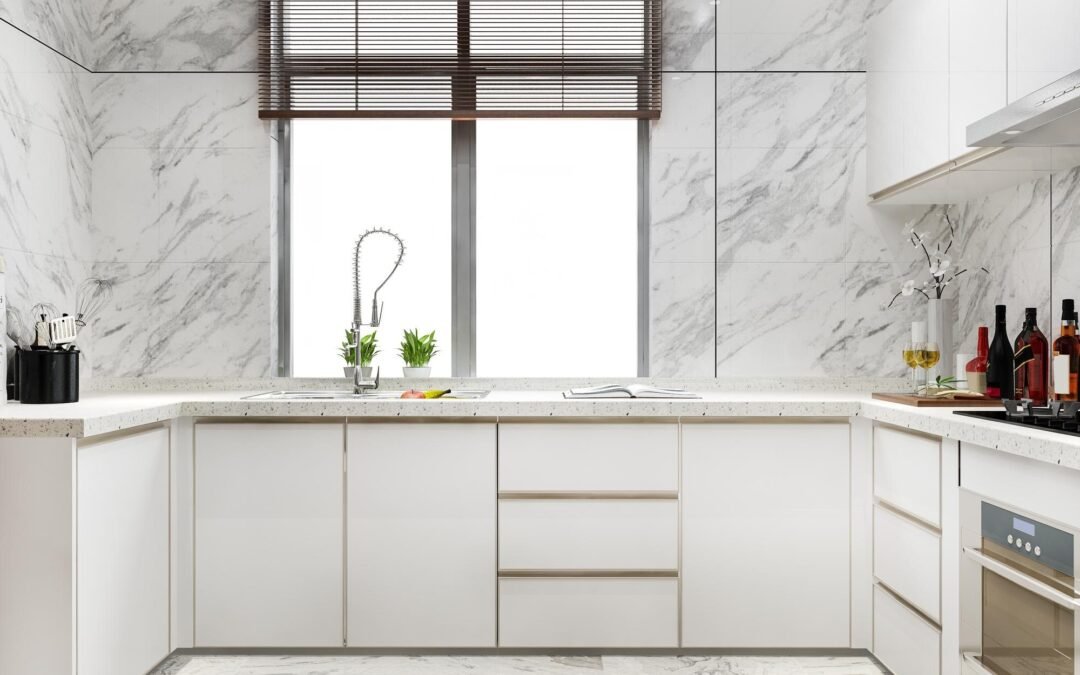
Wall tiles are designed primarily for vertical surfaces, where weight and appearance are important considerations. They are available in a wide variety of colours, patterns, textures, and finishes, making them ideal for kitchen backsplashes, bathroom walls, and decorative features.
Some wall tiles are thinner or more delicate than floor tiles, so they should only be installed on surfaces for which they are rated. Always confirm the manufacturer’s recommendations before purchasing.
Understanding Floor Tiles
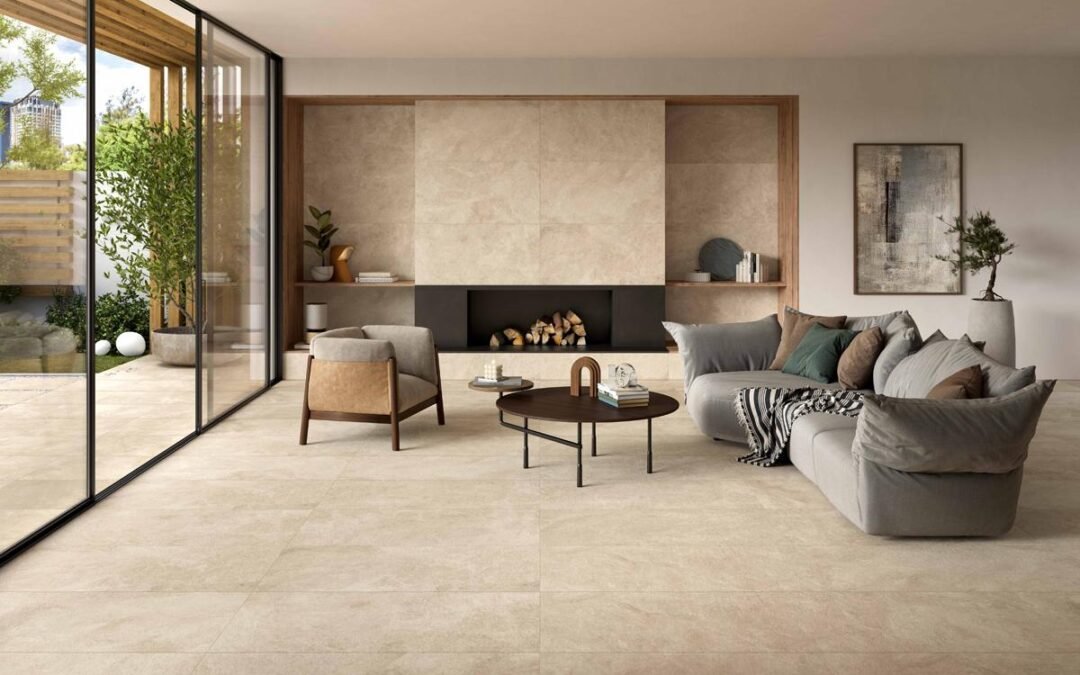
Floor tiles must withstand foot traffic, furniture, and everyday wear. Depending on their intended application, they may also need suitable slip resistance and resistance to moisture or temperature changes. Porcelain tiles are often selected for floors because of their durability and low water absorption.
For bathrooms and other wet areas, consider the tile’s slip resistance under the expected conditions rather than choosing solely on appearance.
Can You Use the Same Tiles on Walls and Floors?
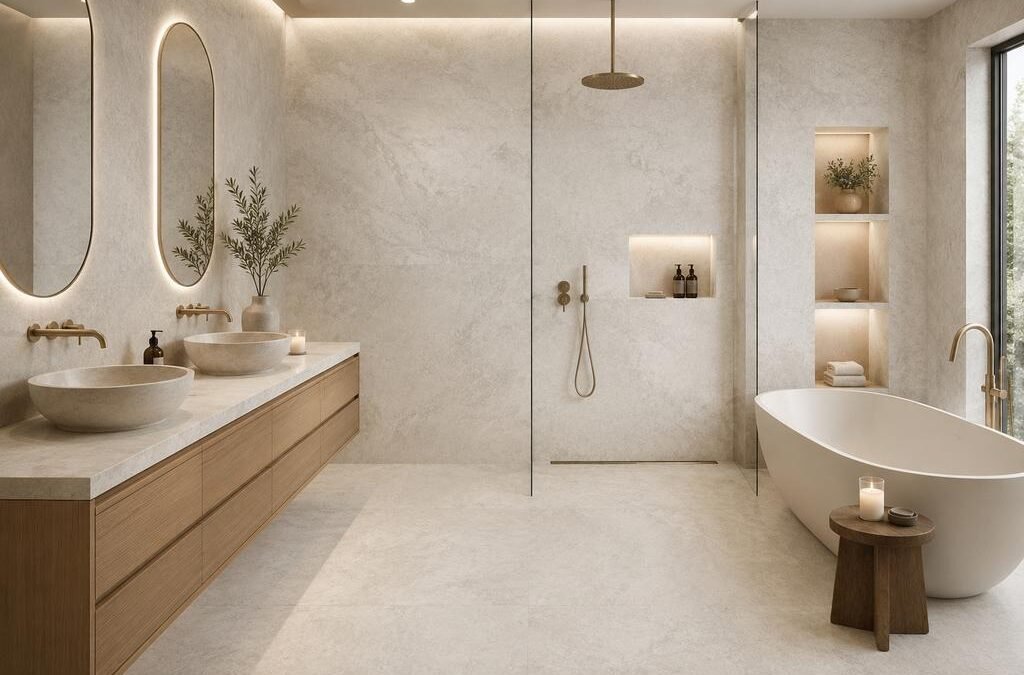
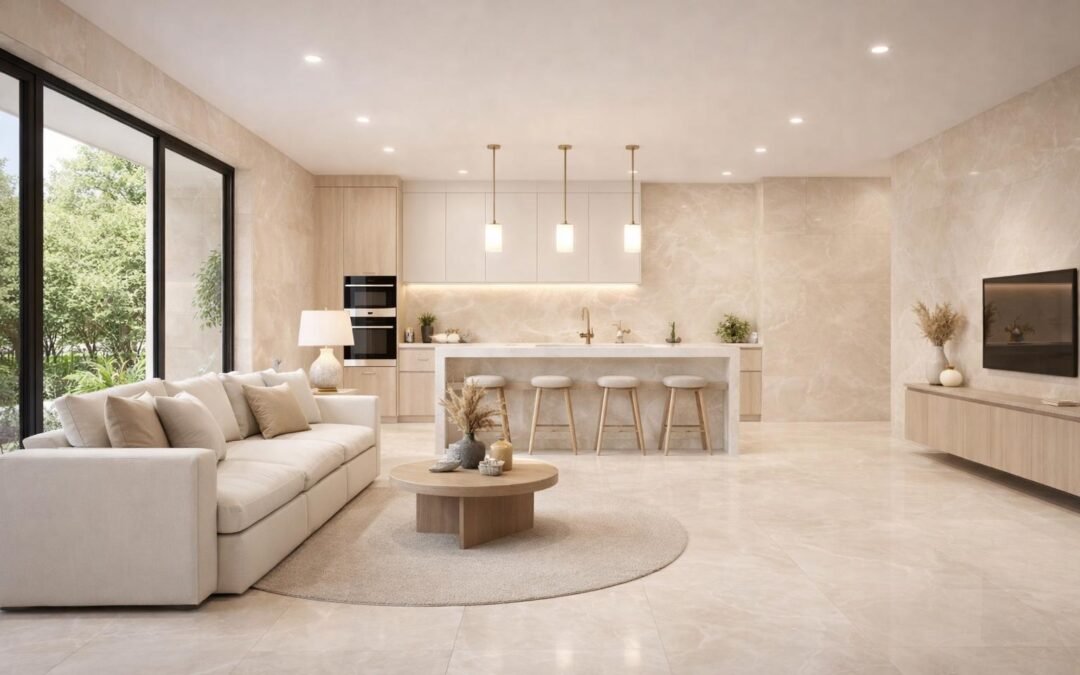
Yes, provided the product is specifically rated for both applications. Using coordinated tiles can create a cohesive design throughout a bathroom or kitchen. However, a wall-only tile should never be assumed suitable for flooring.
Which Option Is Right for Your Project?
Consider the room, installation surface, maintenance requirements, and overall design before deciding. Check product specifications and consult a qualified installer when necessary.
The right combination of wall and floor tiles brings together style, safety, and functionality, helping you create a space that looks beautiful and performs well for years to come.